30th October 2026
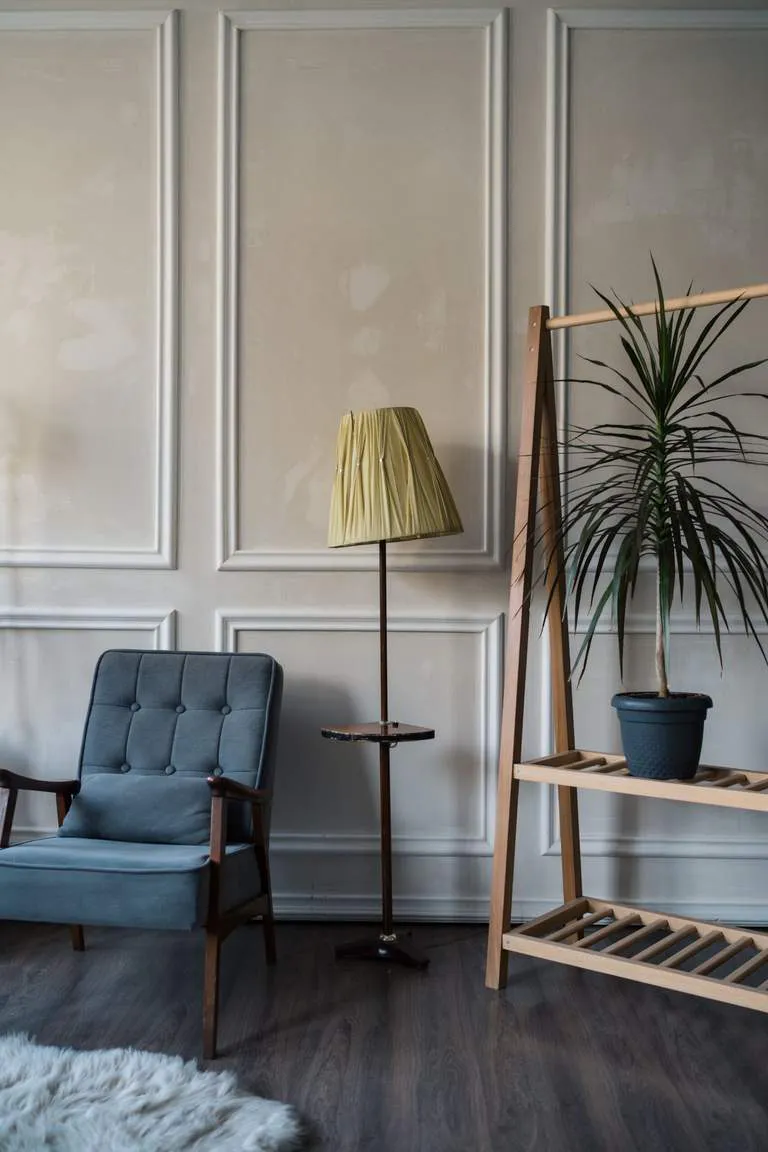
Wall panelling is a type of covering for internal walls that features different architectural styles. It has had a revival in recent years, but did you know it dates back more historically than you might think?
With an array of different panelling styles, including wainscoting, boiserie, and shaker-style, there are many ways to upgrade your home interiors. Each of these will give your space a revived and inspired design perspective, especially depending on how you choose to finish or paint your new wall panelling.
This guide will give you a multitude of wall panelling ideas. Plus, we’ll explain which type of space each will suit best, whether that’s small, large, modern, or heritage.
Table of contents
- What is wall panelling?
- Types of wall panelling at a glance
- Georgian-style wall panelling
- Late Tudor and Jacobean-style wall panelling
- Wainscoting
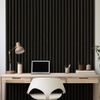
- Acoustic and wood effect wall panelling
- Final thoughts
What is wall panelling?
Wall panelling is a decorative feature many property owners add to their walls to inject character and timeless style into a room. It can be made from either wood or MDF mouldings or panels, and is adhered to the wall using either nails or glue. There are many different types of wall panelling, including Georgian, Tudor, and Wainscoting, each having origins in historic interior design movements that translate well in modern homes today. Acoustic panelling is also a popular method that is not only striking to look at, but absorbs sound waves in specific areas of a space.
Types of wall panelling at a glance
| Style | Features | Best Suited To |
| Tudor | Covering the entire wall; can sometimes feature intricate details and carvings | Fire places; living rooms; bedrooms; large communal spaces like halls, restaurants and cafes |
| Georgian | Rectangular, symmetrical mouldings featuring a simple and classic design | Bedrooms; living rooms; rooms with standard or high ceilings |
| Wainscoting | The bottom half of the wall is panelled in a style of your choosing | Smaller rooms; offices; living rooms; bedrooms |
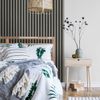
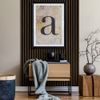
| Acoustic & wood effect | Vertical slats normally made from MDF. If acoustic, these will have a sound-dampening core normally made from felt. Acoustic panels help to isolate sound and reduce background chatter | Living rooms; large spaces; communal areas like cafes, restaurants, & museums where focused conversations may be difficult to hear due to background noise |
Late Tudor and Jacobean-style wall panelling
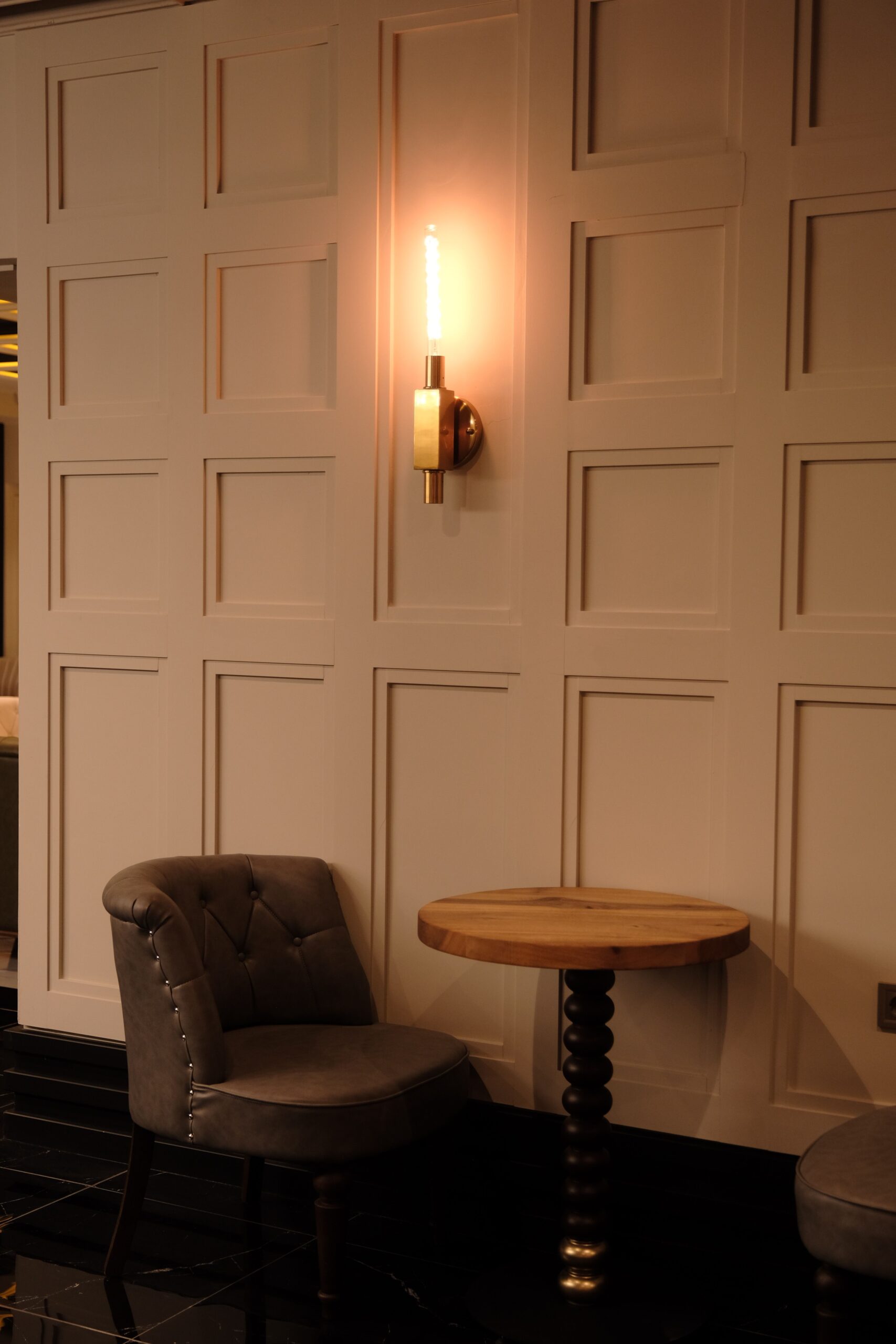
While the early Tudors enjoyed wooden slatted designs with intricate details such as linenfold, the later designs of that period have translated better today. Late Tudor and Jacobean styles include a definitive grid-like pattern of wooden or MDF panels, being made up of squares, rectangles, or a mixture of both. These panels commonly cover the entire wall, and can either be left as bare wood and finished with varnish for a true heritage look that is cosy and rustic, or painted a block colour to make it more contemporary.
Georgian-style wall panelling
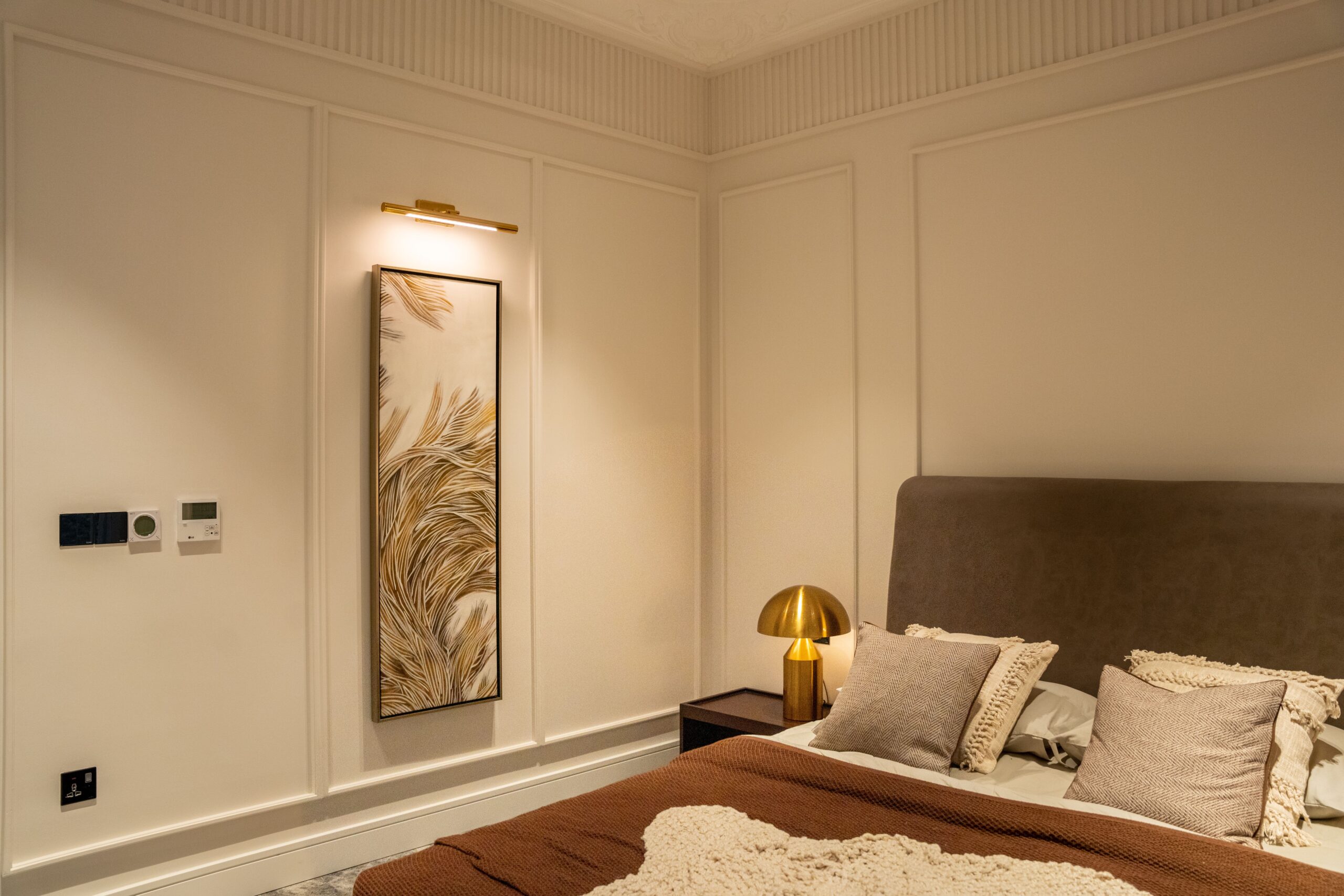
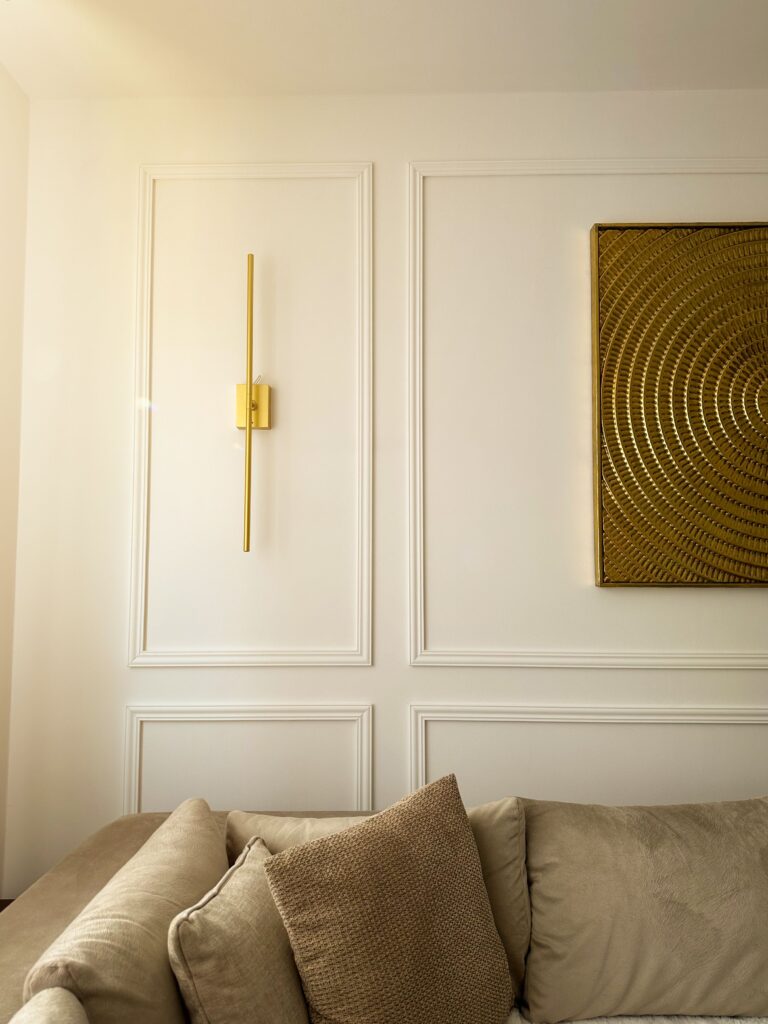
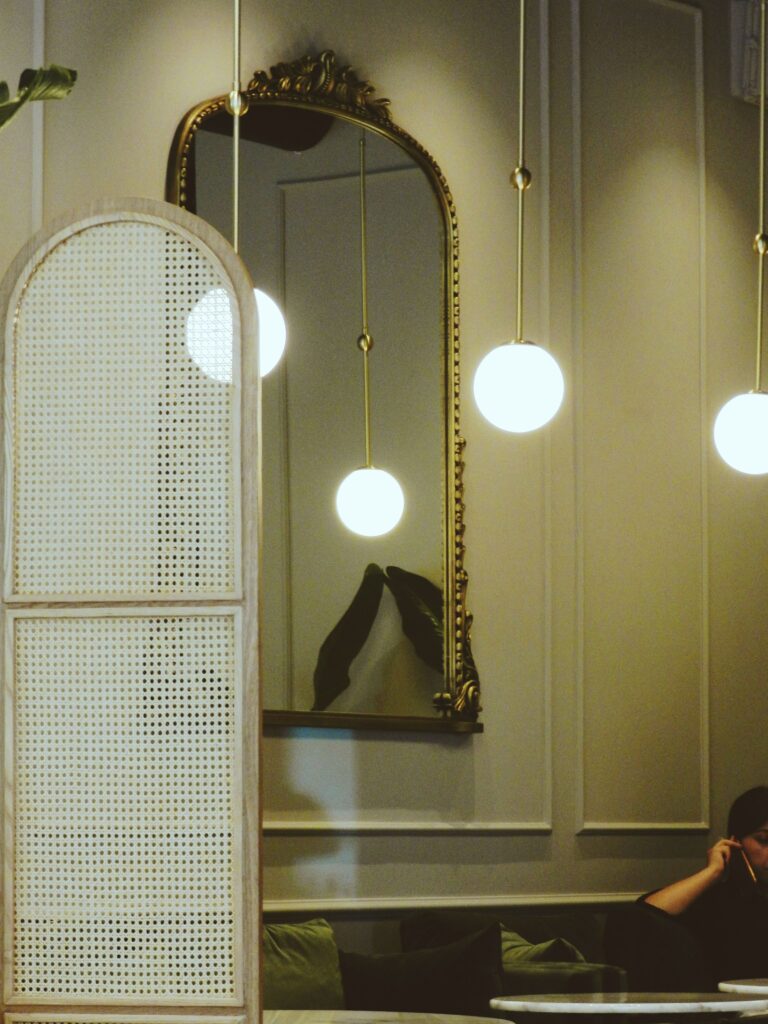
Georgian style wall panelling is distinctive because of its moulded, rectangular panels. The Georgian period was all about symmetry and balance in interior design. It shifted away from the more ornate styles of the Tudor period. Modern-day DIY celebrates this style by using it to frame decorative furnishing such as mirrors, wall art, and even lighting. You can either choose to paint your walls with a pop of colour, or keep it simple with a neutral tone like white or beige. This will allow the panelling to be the focal point. Colour drenching Georigian wall panelling is also an effective way to make your space look incredibly unique. Choosing one solid dark colour adds a subtle nod to period drawing rooms, while filling in the panels with patterned wallpaper is an alternative way to explore print and texture.
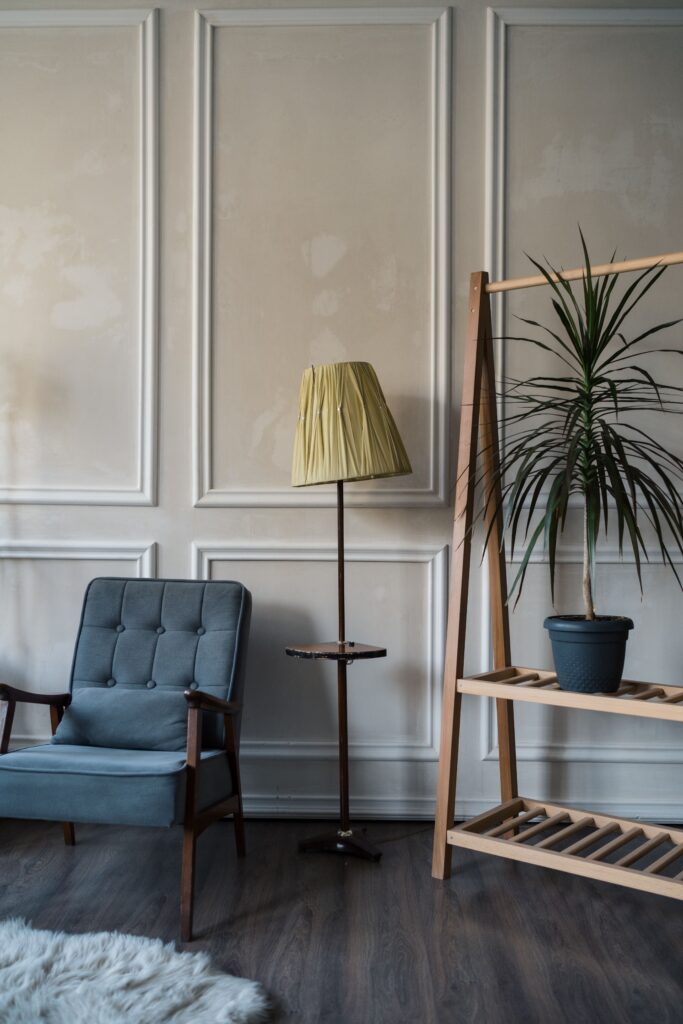
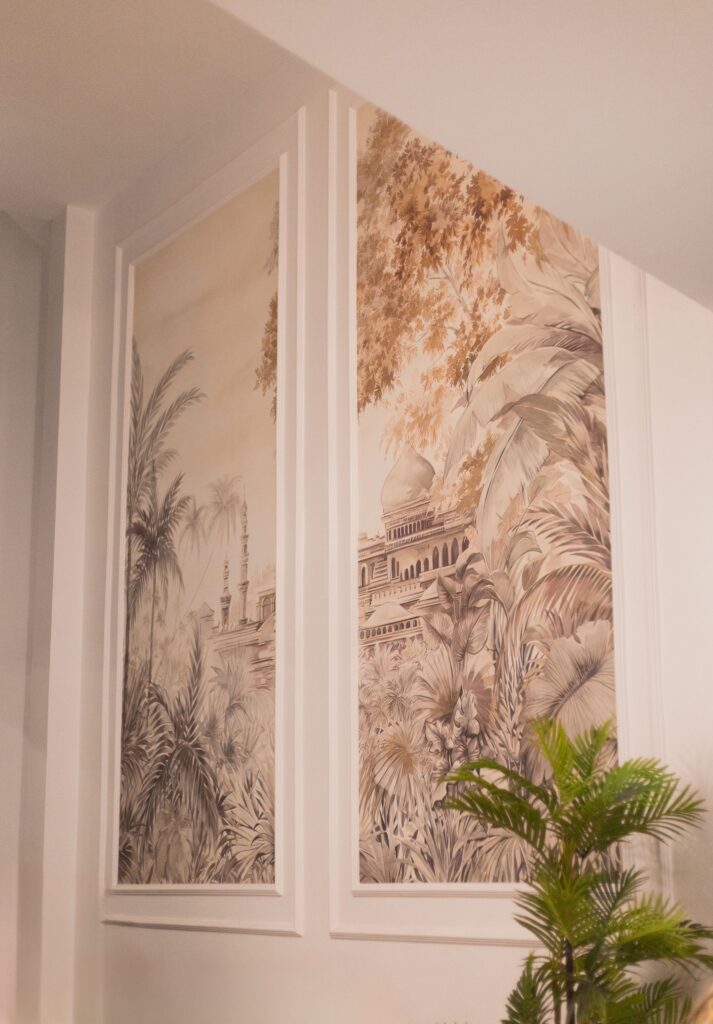
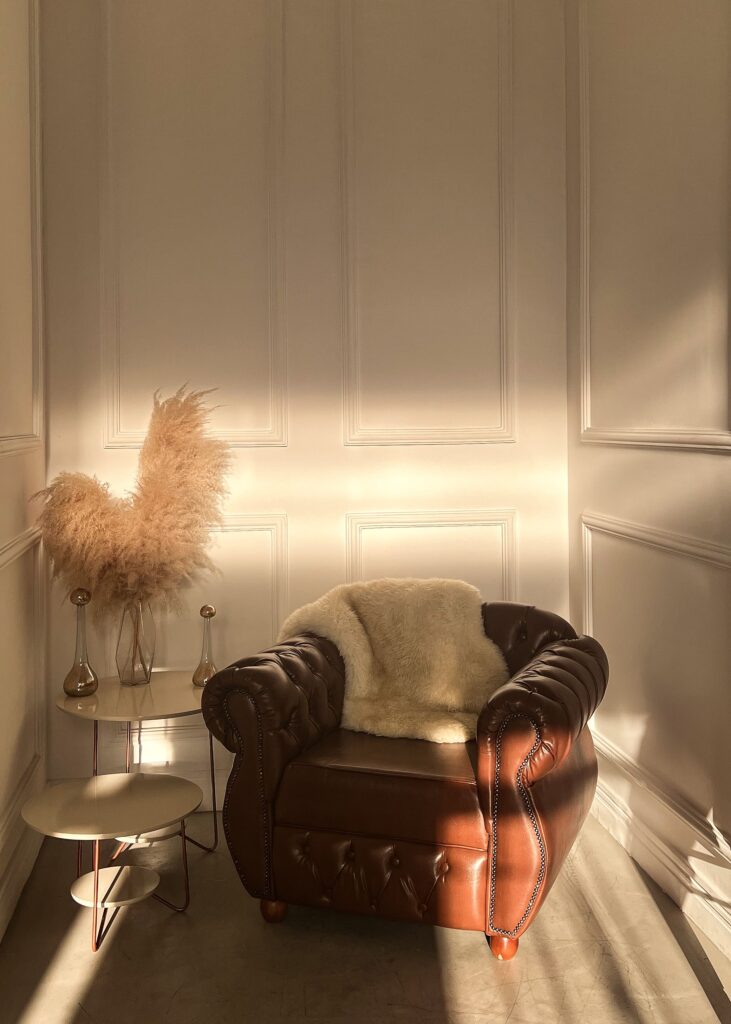
Because of its long, rectangular panels, bear in mind that Georgian wall panelling is better suited to rooms with standard or high ceilings to really achieve the scale of the panels. If you have lower ceilings but still like the simplified aesthetic, you can use the wainscoting technique mentioned below, which incorporates smaller, more horizontal panels on the lower half of the wall. It is timeless, classic, and incredibly chic, especially when paired with antique brass furnishings and Chesterfield armchairs or sofas.
Wainscoting
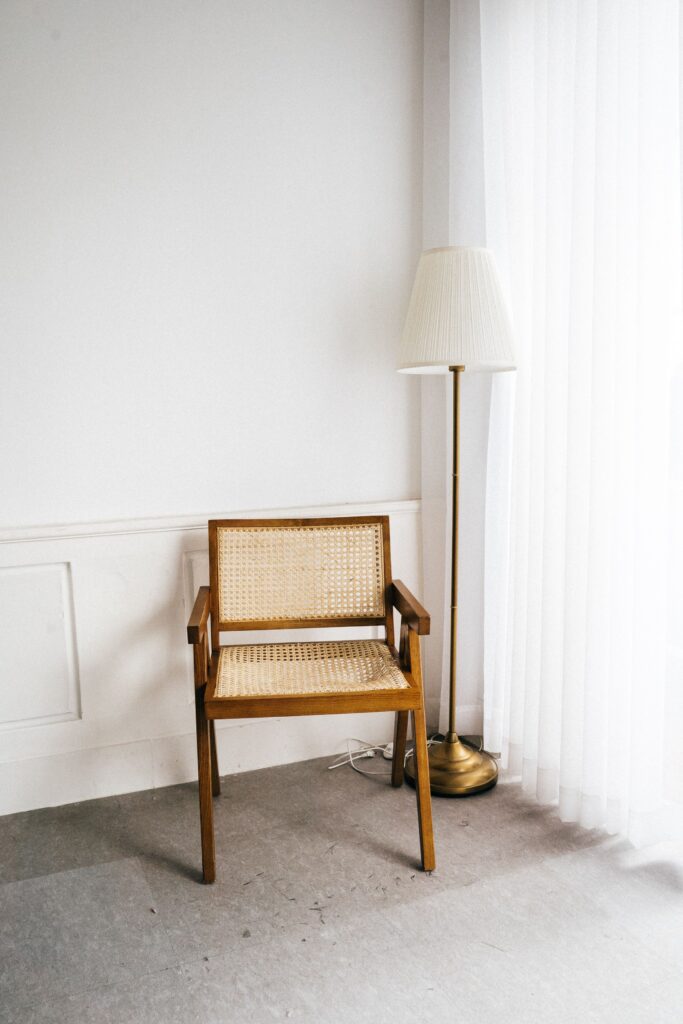
Wainscoting was originally made from a specific type of wood called ‘wainscot oak’ during the 1500s. Joiners and carpenters favoured it because it was lightweight and easy to handle and install. Wainscot oak also consisted of a tightly grained and knot-free appearance, which produced a seamless finish. In modern properties, wainscoting can include styles from different eras of interior design. These include Georgian, Tudor, and Jacobean, as mentioned above.
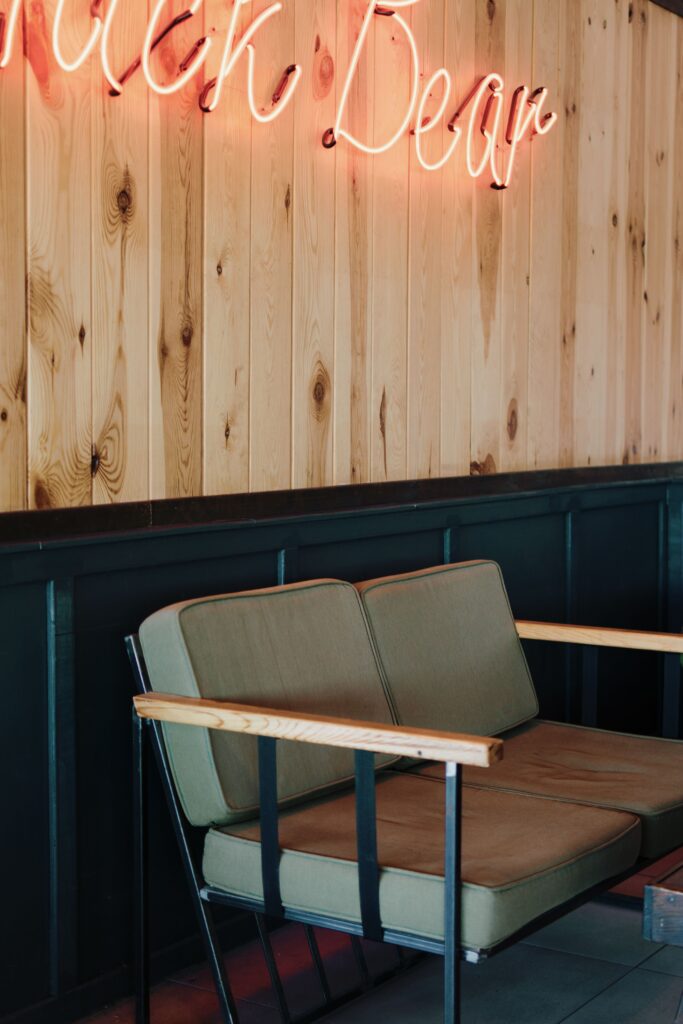
Wainscoting covers the lower third of the wall, also known as the ‘dado’. During the Victorian era, it became immensely popular to have this section wainscoted, with an ornately patterned wallpaper covering the middle. The frieze, or top of the wall, was decorated with a moulding or elaborate architrave.
Modern designs effortlessly replicate the Victorian style, however, wainscoting is not limited to being paired with a maximalist wallpaper. Many DIY-ers have simplified this method, choosing to paint the upper parts of the wall in a single colour. This works especially well in smaller rooms such as offices and studies. It provides the room with a point of interest without being overbearing or making it look even smaller. Alternatively, some homeowners panel the upper thirds of the wall with a contrasting texture to add depth and personality.
Acoustic and wood effect wall panelling
Acoustic panelling saw a boom in 2020, although recording studios have used it for decades. It works by absorbing sound waves that would otherwise bounce off walls, creating echoes. For this reason, they can work well in larger communal spaces such as cafes and restaurants, as they minimise background chatter, allowing better ambience as people can hear their own conversations. Acoustic wall panelling can even absorb sound between neighbouring terraced houses.
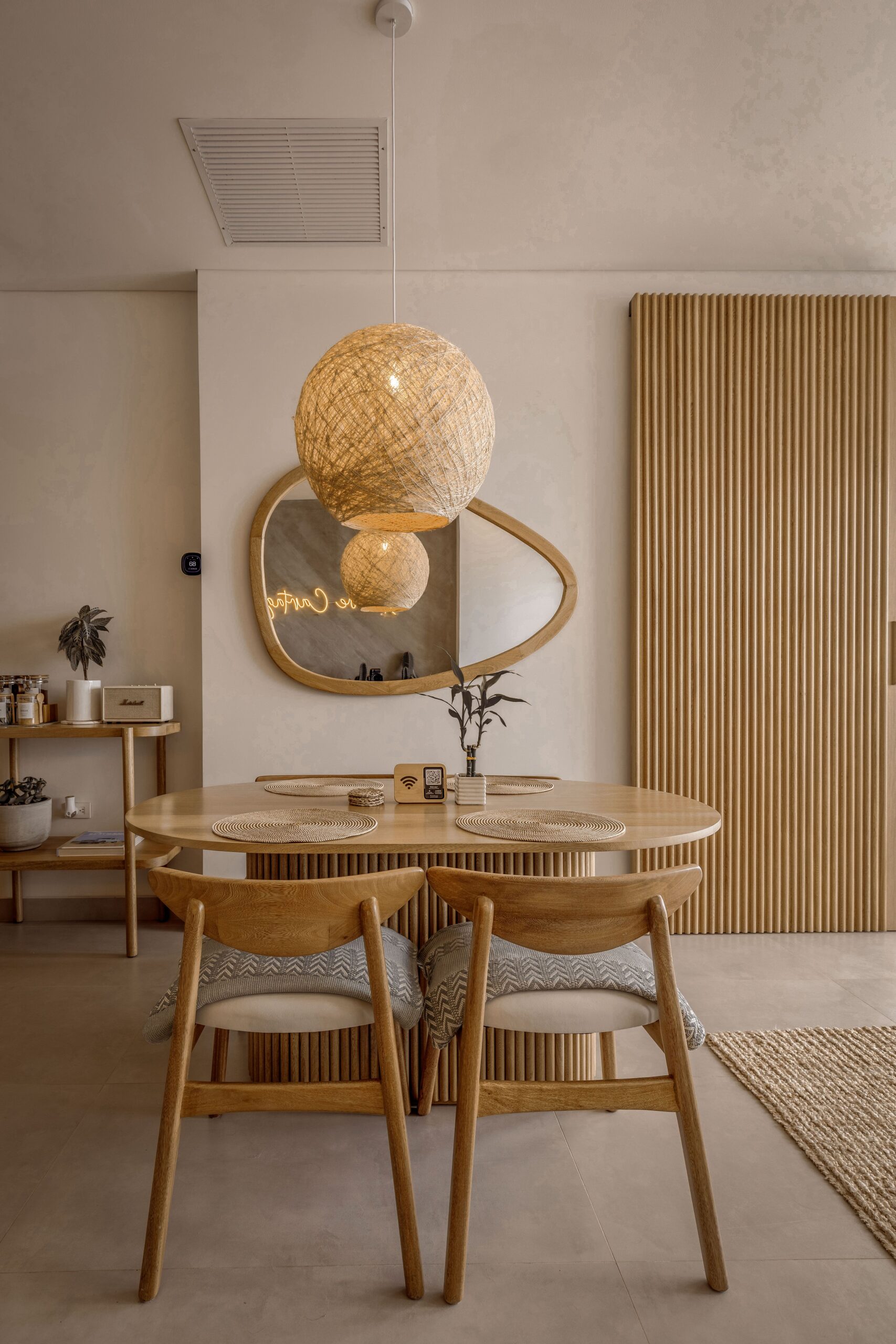
Not only are they an amazing practical feature, acoustic panels are also incredibly stylish in minimalist and Scadi-style homes. The long, sweeping slats of wood-effect MDF create a standout feature while also remaining neutral and true to a more subdued colour palette.
Wood effect wall panelling does not always have to be acoustic. If you simply like the look of the wooden slats, they can add texture and warmth to your space. They are also incredibly versatile, as you can panel them vertically, horizontally, or in smaller sections. Here at DOOR SUPERSTORE, we even stock a range of fully finished acoustic wall panels in a range of colours, making installation quick and easy.
Final thoughts
No matter which style of wall panelling you choose, each has a legacy of architectural history. What makes wall panelling so special is how versatile and timeless it is. Whether you have a large or compact space, there will be a style that works for you. It is the perfect way to blend classic interior design with texture, innovation, and personal style.
Was this guide useful?
Mentioned in this product guide: